What is the Best Time to Visit Northern Pakistan (2026 Road & Weather Guide)
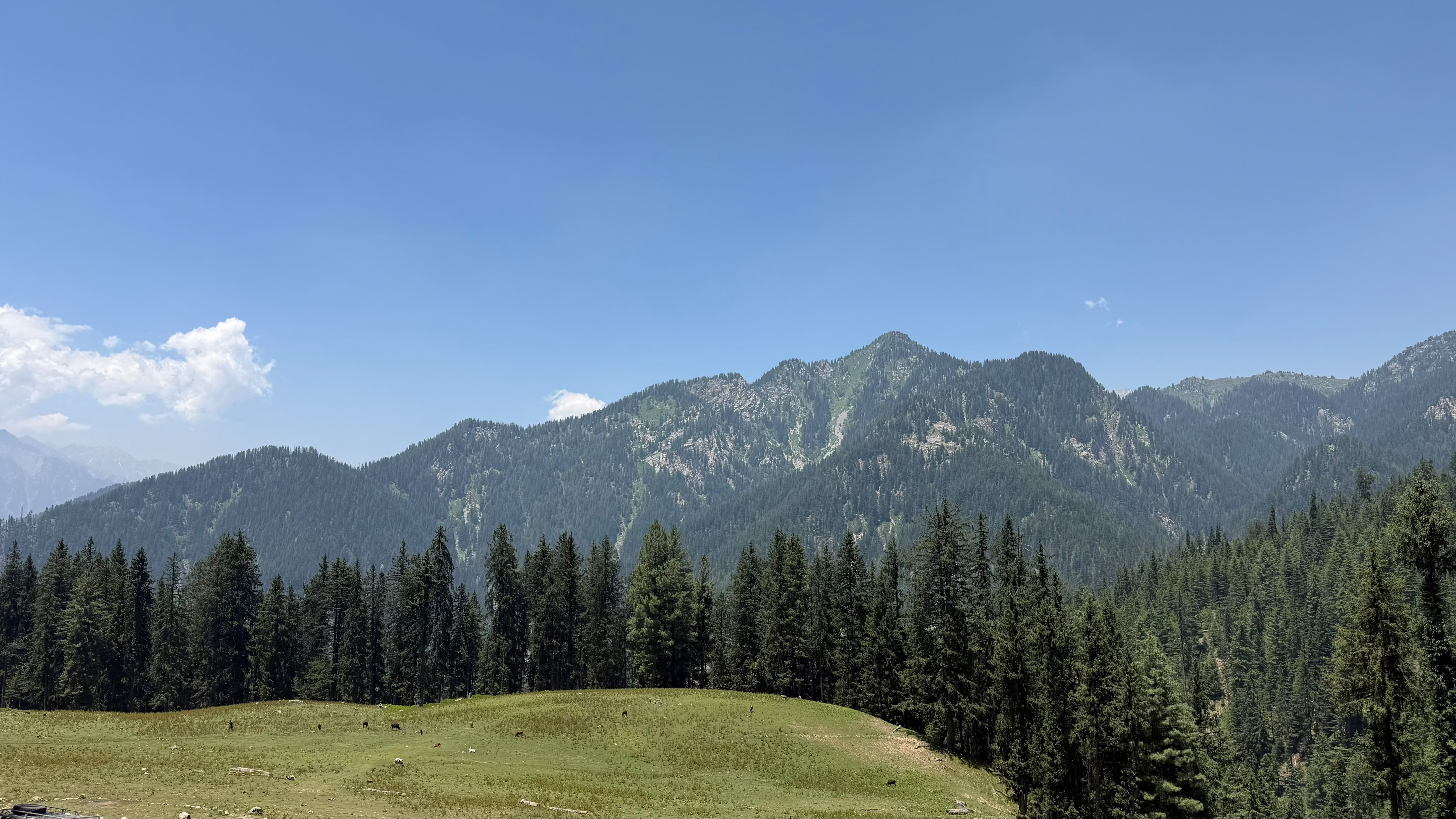
The best time to visit Northern Pakistan is from May to October. June to September is the safest window for high altitude routes like Deosai. Two things can still disrupt a trip. Babusar Top and Deosai close hard in winter. Monsoon rain in July and August can block sections of the Karakoram Highway for hours or days. Plan around these two facts and the rest of your trip becomes easy to schedule.
At Roamistan, we plan tours in Hunza, Skardu, Naran, Chitral, and Swat every season. This guide is built from what we actually see on the ground, not general travel advice. If you want a trip planned around real road conditions, a trusted travel agency in Pakistan can build in the buffer days this region often needs.
Northern Pakistan Weather: Month by Month
Weather in Northern Pakistan changes fast between valleys. A sunny day in Hunza can be a snowstorm in Deosai on the same date. Use this section as your baseline, then read the sections below for the details competitors leave out.
Summer (May to September)
This is peak season. All major roads are open, including Babusar Top and the road to Deosai. Hunza sits around 25°C in the day. Skardu and Deosai stay cooler, often 10°C to 20°C. Hotels fill up fast in July and August, especially around Eid holidays, so book early.
Autumn (October to November)
Hunza turns gold and red in late September through mid October. This is the best month for photography. Crowds thin out and hotel prices drop. Babusar Top and Deosai begin closing in late October, so this window narrows fast as the month goes on.
Winter (December to March)
Babusar Top, Deosai, and the Fairy Meadows jeep track are fully closed. Hunza and Gilgit stay reachable by road through the Karakoram Highway, which runs year round. Skardu is reachable by road too, though flights become unreliable. Winter suits travelers who want snow scenery in Hunza without crowds, but it is not the season for Deosai, Babusar, or Fairy Meadows.
Spring (April to May)
Roads start reopening in this window, but the exact dates shift every year based on snowfall. Late April can still see snow at high altitude. Early May is usually safer for planning, though Babusar Top often does not reopen until mid to late May. Treat spring as transition weather, not settled summer weather.
Valley | Best Months | Road Risk Level | Flight Dependency |
|---|---|---|---|
Hunza | May to October | Low, year round road access | Low, road always an option |
Skardu | May to September | Medium, monsoon risk on approach | High for flights, road always works |
Naran/Kaghan | June to September | High, Babusar closes in winter | None |
Swat | April to October | Low | None |
Chitral | May to October | Medium, Lowari Tunnel usually open | Low |
Kumrat | May to September | Medium, jeep track only | None |
Neelum Valley | April to October | Medium, monsoon landslide risk | None |
Named Landslide Prone Stretches of the Karakoram Highway
The Kohistan stretch of the KKH, roughly from Besham to Chilas, sees the most landslide activity in Pakistan. Heavy monsoon rain hits this section hardest between July and August. In some recent years, early landslides have also struck this stretch in May, so the risk window is starting earlier than it used to.
The area near Khunjerab Zero Point, close to the Chinese border, faces a similar risk from rockfall and rain damage on steep slopes. The stretch through Diamer district, especially near Chilas, has also seen repeated closures during heavy rain spells.
None of this means the road is unsafe most of the year. It means the risk is seasonal and location specific, not random. Our drivers check road status daily during monsoon season before confirming any route through Kohistan. If you are booking a Hunza or Skardu trip through the KKH, ask your operator how they track this stretch specifically.
Babusar Top and Naran Kaghan Seasonal Closure Dates
Babusar Top typically closes to all traffic in late October or early November due to heavy snowfall. It typically reopens in mid to late May, once the National Highway Authority clears snow and glacier debris from the pass.
When Babusar is closed, travelers heading to Gilgit-Baltistan use the Besham-Dasu-Chilas route on the Karakoram Highway instead. This route stays open year round, though it takes longer than the Babusar shortcut. A trip that takes seven hours through Babusar in summer can take much longer through this winter alternative.
This is the single most common scheduling mistake we see. Travelers plan a Naran to Gilgit trip in April or November, assuming Babusar will be open, then find the pass closed with no backup plan. Always confirm current road status before locking in dates on this route.
Deosai Plains' Hard Seasonal Window
Deosai is realistically open from June to September only. Outside this window, snow blocks the road and the plains themselves are impassable. This is not a soft guideline. It is a hard seasonal window driven by altitude and snowfall, since Deosai sits above 13,000 feet.
We will not schedule a Deosai trip outside this range, regardless of what a generic online itinerary promises. If a travel package offers Deosai in April or November, that itinerary was not built around real conditions on the ground.
Skardu and Gilgit Flight Cancellation Risk
Domestic flights to Skardu and Gilgit depend heavily on clear weather, since pilots need visual mountain landmarks to navigate the approach. Cancellations are common in winter and during monsoon cloud cover, and delays of one to three days are not unusual during bad weather spells.
Build a road backup plan into any Skardu or Gilgit trip that relies on flights. A realistic buffer is at least one extra day on each end of the trip. We always confirm a road contingency plan before booking flight-based itineraries, since a missed connection in Skardu can otherwise cost a traveler their entire return schedule.
Fairy Meadows Jeep Track: Seasonal Condition
The jeep track to Raikot Bridge and Tato, the access point for Fairy Meadows, is itself weather sensitive. Monsoon rain causes washouts and landslides on this track between July and August. Snow blocks it completely from around November through April.
Most guides mention Fairy Meadows season without mentioning that the access track has its own separate weather risk from the main trek season. Check both before booking. A clear day in Fairy Meadows means little if the jeep track down is washed out.
Monsoon Season: What Recent Years Have Taught Us
Heavy monsoon rain in July and August has repeatedly closed sections of the Karakoram Highway for days at a time, stranding hundreds of travelers along the Kohistan stretch. This has happened in multiple recent years, not as a rare event but as a recurring seasonal pattern.
The lesson is not to avoid summer travel. It is to build buffer days and choose flexible or refundable bookings during peak monsoon weeks. We build at least one buffer day into every Hunza and Skardu itinerary scheduled in July or August. This single habit prevents most of the stress travelers report from monsoon delays.
How Road Status Is Actually Monitored
Real time road status in Northern Pakistan comes from a specific set of sources, not general weather apps. The National Highway Authority issues advisories on major closures. District administrations and the Provincial Disaster Management Authority issue local alerts during active landslides. KKH traffic police post updates on active blockages.
Several local sites and Facebook groups also track road conditions daily, with the most reliable ones updated multiple times per week during peak season. This is exactly the kind of real time monitoring a trusted travel agency in Pakistan handles on your behalf, so you are not refreshing five different sources the morning of your trip.
If You're Already There and Roads Close
Road closures during an active trip are common enough that every traveler should have a plan before they leave. When a pass closes, three things usually happen. Authorities close the road to all traffic. Clearance crews from the National Highway Authority or Frontier Works Organisation begin work. The road reopens once weather and debris allow, which can take anywhere from a few hours to several days.
An independent traveler stuck at a closure has few options beyond waiting. A professional agency has a different response. We rebook hotels for extra nights, shift the itinerary to cover nearby sights while waiting, and use a driver network that knows alternate routes when one exists. This is a large part of why travelers choose a professional travel agency in Pakistan over self planned trips, especially during monsoon season.
Domestic vs International Traveler Considerations
Local and international travelers face different practical challenges around timing.
For Domestic Pakistani Travelers
Lahore, Karachi, and Islamabad travelers often plan short weekend trips north. This works well for Naran and Murree in summer but is risky for Skardu or Hunza, since round trip travel time alone can eat most of a short break. Eid holidays and summer school breaks bring heavy traffic surges on the Karakoram Highway and Babusar route, so book hotels and transport well in advance during these windows. VIP bus services run reliably on major routes, but a private car gives more flexibility if you need to adjust for road conditions mid trip.
For International Travelers
The Karakoram Highway, known as the KKH, is Pakistan's main high altitude route into Gilgit-Baltistan. Monsoon refers to the seasonal rain pattern that hits South Asia roughly from July through September, and it is the main cause of temporary road closures in this region. Apply for your e-visa well before your travel dates, and build in at least two buffer days around any flight based leg of your trip. Travel insurance that covers trip delays is worth checking, since flight cancellations to Skardu and Gilgit are common enough to matter.
Best Weeks in May and October
The last two weeks of May often bring clear weather with fewer crowds than June, since school holidays have not started yet and hotel prices are still at spring rates. The first three weeks of October offer the same advantage in reverse, with autumn foliage in Hunza at its peak and prices lower than the July and August rush.
Both windows carry some risk. Late May can still see Babusar Top closed depending on that year's snow clearance. Late October can see Babusar and Deosai begin closing without warning. Ask about shoulder season packages if you want lower prices and thinner crowds, and confirm current road status before locking in these edge weeks.
Old "Safe Date" Guides Are Getting Less Reliable
Recent years have shown less predictable monsoon timing in the north, with landslide activity striking the Kohistan stretch of the KKH as early as May in some years, well before the traditional July monsoon window. Snowmelt patterns affecting Babusar and Deosai reopening dates have also grown less consistent year to year.
This means fixed calendar advice should be treated as a guideline, not a guarantee. The buffer day and flexible booking advice throughout this guide matters more now than it did a decade ago, since the old safe windows are shifting.
Plan Around the Weather, Not Around Guesswork
Weather and road conditions in Northern Pakistan are unpredictable enough that self planned trips carry real risk of lost days and missed connections. This is exactly why travelers plan their trip with Roamistan, a trusted travel agency in Pakistan that tracks road status daily and builds buffer days into every itinerary from the start.