Pakistan Tourist Visa Rules in 2026 at a Glance
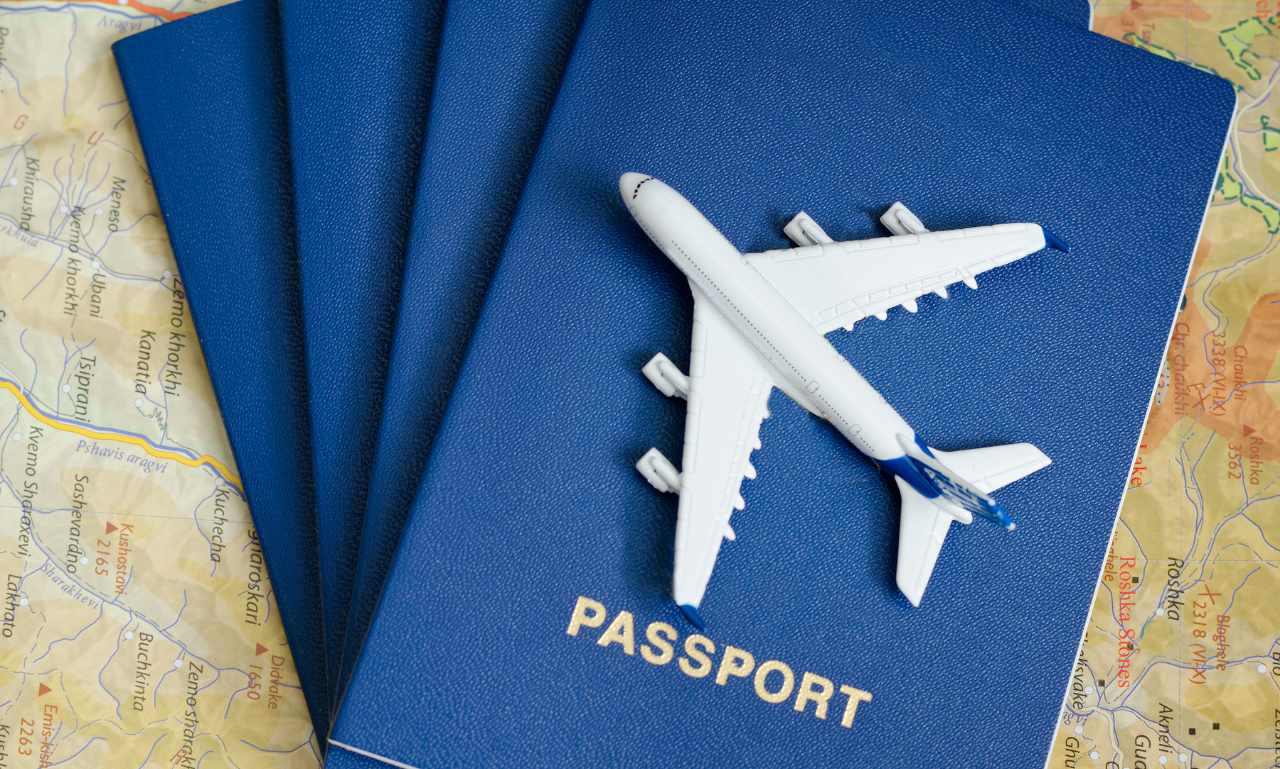
Pakistan suspended its Visa on Arrival and Visa Prior to Arrival programs for 126 nationalities on January 1, 2026, without any advance notice. If you are planning a trip to Hunza, Skardu, or anywhere else in northern Pakistan and were counting on the free, fast-track visa that existed since 2024, that option is gone for now.
This guide covers exactly what changed, who it affects, what the new process costs, and how long it takes, so you can plan your northern Pakistan trip around the current requirements rather than outdated information still posted on many travel sites.
What Was the Visa Prior to Arrival (VPA) Program?
The Visa Prior to Arrival was Pakistan's free electronic travel authorization, introduced in August 2024 for citizens of 126 countries, that let most applicants get approval within 24 to 48 hours without paying a fee.
Pakistan's Ministry of Information announced the program on August 14, 2024, covering tourism and business travel with validity of up to 90 days depending on visa type. The application form was cut down to roughly 30 questions, far shorter than the standard visa process it replaced. For two years, this was the entry point most European, North American, and Asian travelers used when planning a trip to the northern valleys.
What Changed on January 1, 2026?
On January 1, 2026, the VPA option disappeared from Pakistan's official visa portal without a formal public announcement explaining the policy change and travelers from the 126 previously eligible countries must now apply for a standard, paid e-visa in advance.
The change was first noticed by travelers and airlines when the VPA category stopped appearing on the Pakistan Online Visa System. The Pak ID mobile app still displays a VPA option, but selecting it redirects applicants to the standard portal and instructs them to apply under a regular paid category instead. As of July 2026, six months after the suspension, no reinstatement date has been announced. This is worth stating plainly because a fair amount of tour and travel content online was written before the change and still describes the free VPA as active.
Who Is Still Affected, and Who Is Not?
Not every traveler faces the same requirement. The table below breaks down where things stand for the groups most relevant to a northern Pakistan trip.
Traveler group | Current visa status (2026) |
|---|---|
US, UK, Canada, EU, and most of the 126 previously VPA-eligible nationalities | Must apply for a standard paid e-visa in advance. |
GCC nationals (Saudi Arabia, UAE, Qatar, Kuwait, Bahrain, Oman) | Visa-free or visa-on-arrival access to Pakistan for tourism and business, confirmed by Pakistan's Ministry of Foreign Affairs. |
Afghanistan, China, Japan, Iceland, North Korea, Slovakia, Malaysia | Apply through the standard portal, but the application fee is waived. |
Most other nationalities not listed above | Standard paid e-visa, no on-arrival option. |
If your passport falls outside the GCC or fee-exempt categories, plan on the standard paid e-visa route described below.
How Much Does the Pakistan e-Visa Cost Now?
Government fees generally range from approximately USD 20 to USD 60 for many tourist nationalities, although some passports may be charged higher amounts.
Exact fees vary by nationality and visa category, and Pakistan has not published a single consolidated fee schedule since the suspension. Confirm your specific fee on the Pakistan Online Visa System portal before paying, since third-party visa agencies sometimes charge a markup on top of the government fee.
How Long Does Processing Take?
Although official processing is often quoted as 7–10 business days, many travelers report waiting up to 20 business days depending on nationality, document verification, and application volume.
That range matters more than it might look on paper. A tourist applying two weeks before departure was safe under the old system. Under the current one, that same two-week window risks missing a fixed departure date entirely if the application lands toward the slower end of the range.
Scenario: A traveler from Germany books an 8-day Hunza and Skardu tour with a fixed group departure date six weeks out. Applying for the e-visa immediately after booking gives the application room to clear even if it takes the full 20 business days. Applying two weeks before departure, the way travelers routinely did under the VPA, leaves no buffer if the application is delayed or asked for additional documents.
What Documents Do You Need for the Standard e-Visa?
The standard e-visa application requires a passport valid for at least six months beyond your entry date, a recent passport-style photo, proof of accommodation, and a detailed travel itinerary.
Proof of accommodation can be a confirmed hotel booking for your full stay or a letter of invitation from a host in Pakistan. This is a meaningfully heavier documentation load than the VPA required, and it is also where booking through a tour operator ahead of your visa application saves time: a confirmed day-by-day itinerary and hotel bookings for a trip through Hunza or Skardu double as the supporting documents your e-visa application asks for.
Do You Still Need a Separate Permit for Northern Pakistan?
The e-visa and any area-specific permit are two different things, and clearing your e-visa does not automatically clear you for every part of northern Pakistan.
Most tourist areas in Gilgit-Baltistan, including Hunza, Skardu, and the Karakoram Highway, do not require a separate No Objection Certificate for foreign visitors. A small number of restricted zones near international borders or high-altitude expedition routes do require one, arranged in advance through a registered local operator. That is a distinct topic from the visa process covered here and worth researching separately before finalizing a route that includes remote trekking areas.
Can You Still Get a Visa on Arrival for Pakistan?
For most nationalities, no. Visa on arrival at Pakistani airports is now limited mainly to specific GCC nationals, and every other traveler needs an approved e-visa before boarding their flight.
Airport staff are not able to issue exceptions. Arriving without a pre-approved e-visa, if your nationality requires one, means being denied boarding at your departure airport rather than being processed on arrival in Pakistan.
This guide is based on information available from Pakistan's official visa portal and government sources. As immigration policies can change without notice, always verify the latest requirements before booking flights or submitting your visa application.
In Wrapping Up
Once your e-visa is in progress, the next step is locking in the itinerary your application requires. As a trusted travel company in Pakistan, we help you plan personalized Northern Pakistan tours with confirmed hotel bookings, detailed itineraries, and local travel expertise. Get in touch to build your day-by-day route, or start with a custom tour request if you already know which destinations you want to explore.